Sunday, 27 July 2014

Missed out on the mayfly, but I still had a ball (part three)

By the time Friday had arrived - the third and final day of fishing in a row - I was completely knackered. As a result I wasn't especially eager to get out fishing early, although I was certainly still going. A leisurely drive saw me returning to my club river. I had already decided I wanted to fish the last pool of Wednesday evening that Tom finished the day on. Tom lost a sizeable trout and I felt the pool had more to give; largely due to the unexpected depth I saw Tom wade to.


With the success French nymphing had given me this week, I wanted to try the method in this first pool. The pool is open and wide relative to most of the river, I would rather have some space whilst still trying the method out.

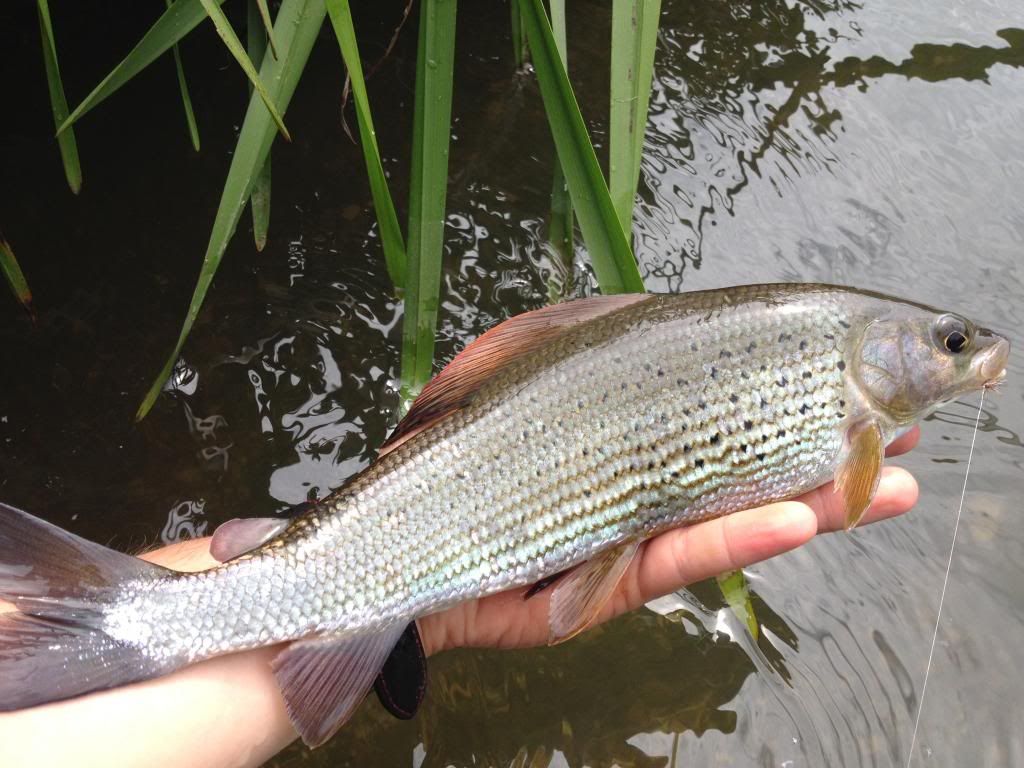
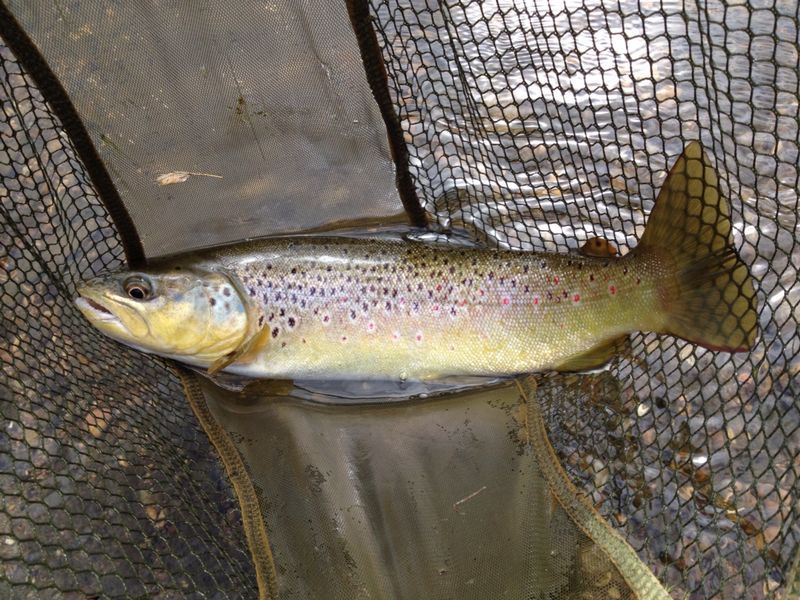
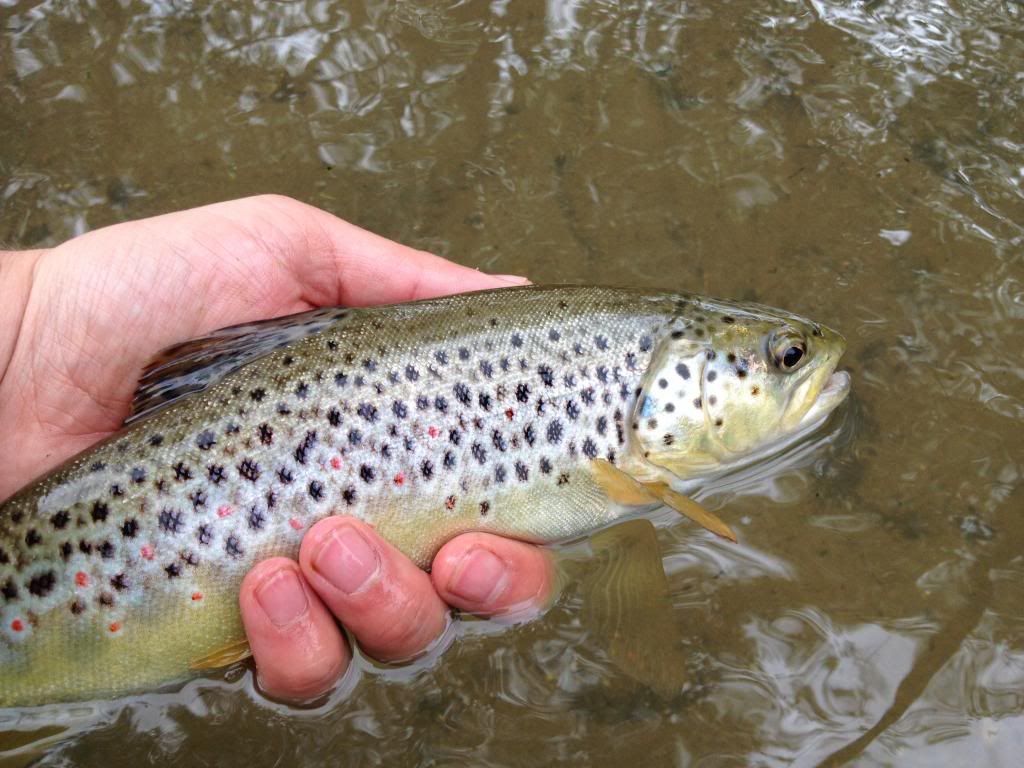
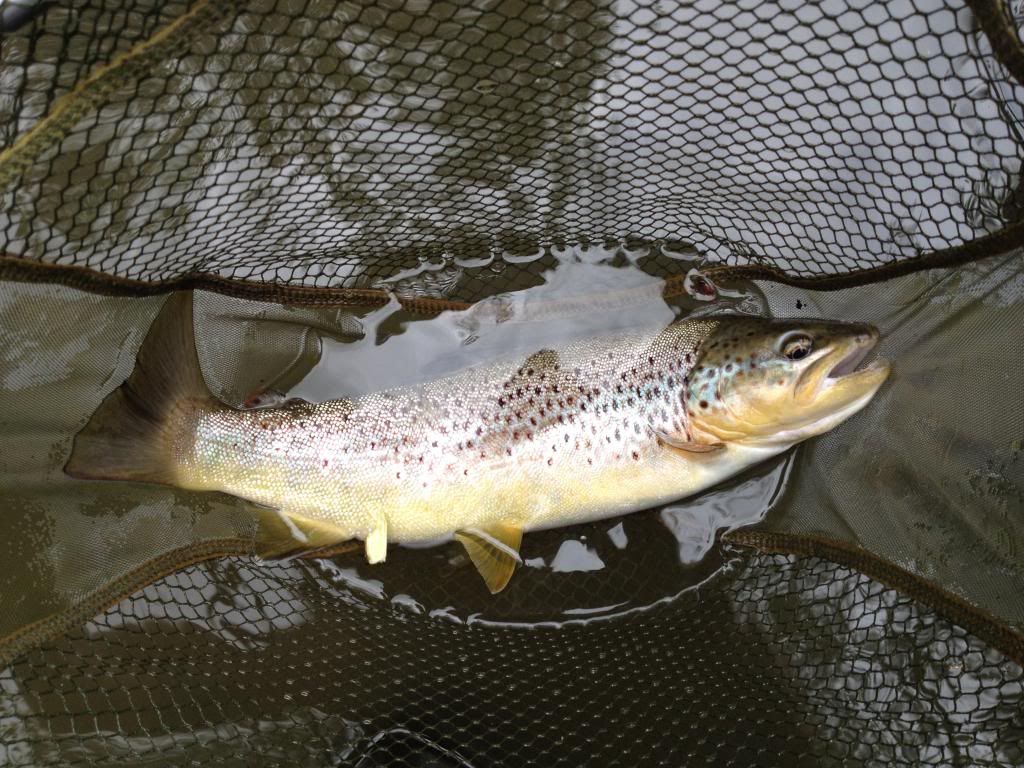
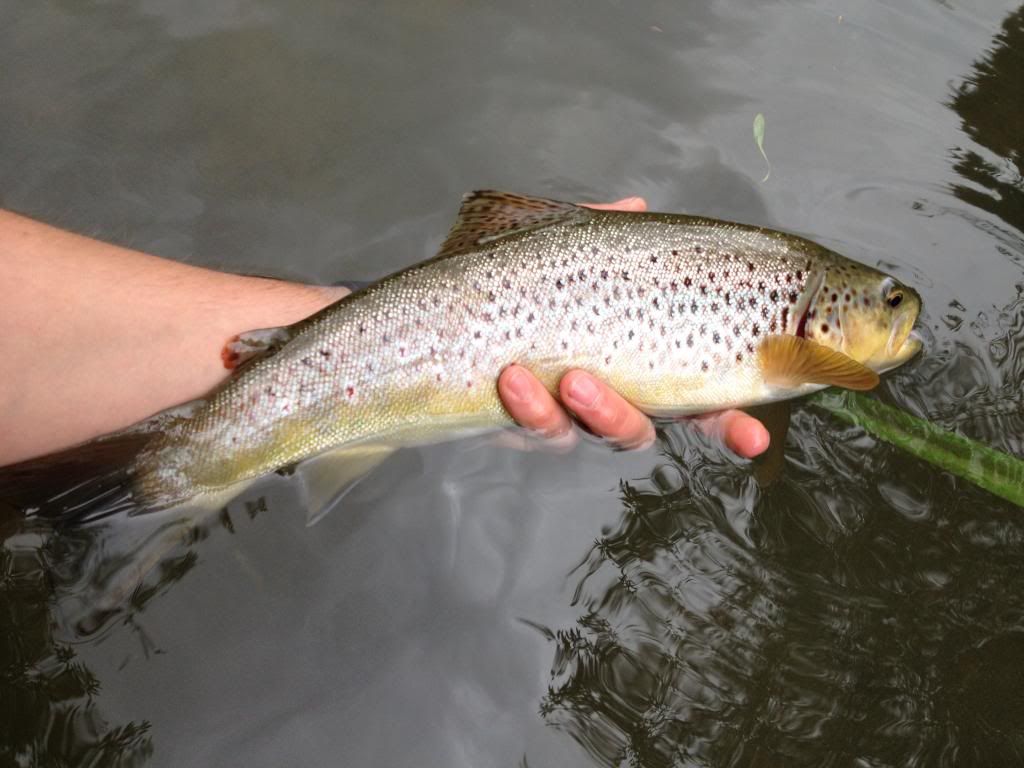
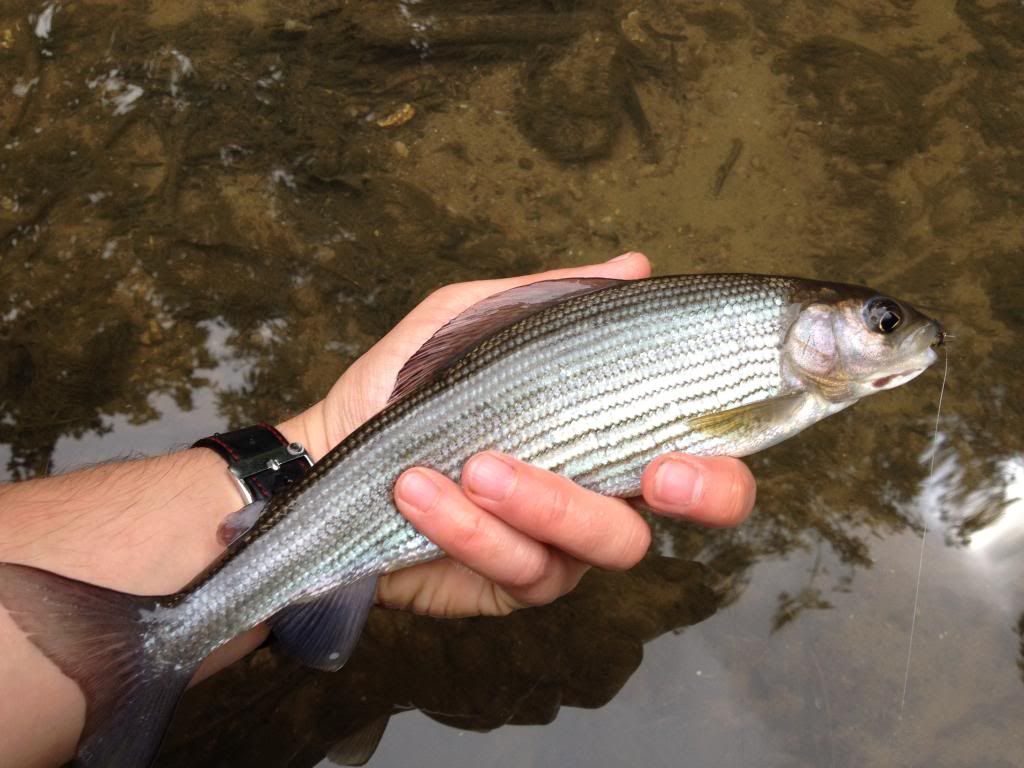
Seems I still haven't cracked this pool, a lost grayling and a single trout were all that I caught, I will have to try again.

Rising fish up ahead distracted me from my original plans. I opted to stay with the 10ft rod despite a succession of over hanging trees. Changing over to a fly line I crept into position and removed the last section of the rod - it is a three piece so gave me a working length just over 6ft. A small pod of grayling and large dace were ahead of me and although I could see a couple of fish move to the small nymph I was using I couldn't get one to take.

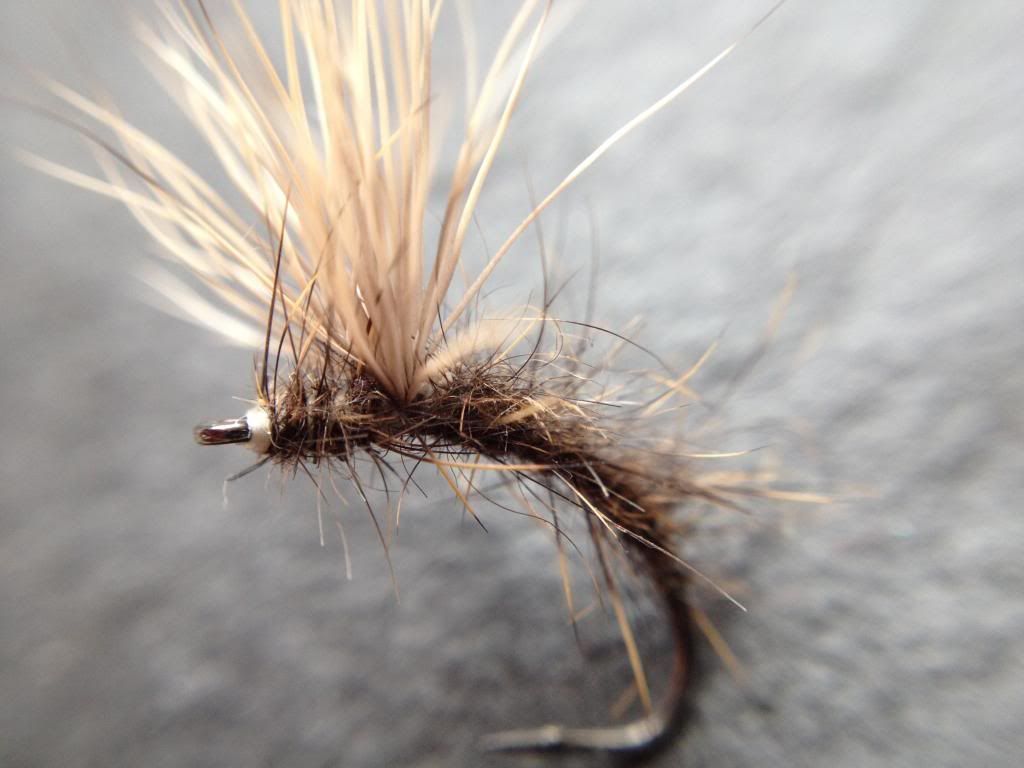
A well chewed DHE
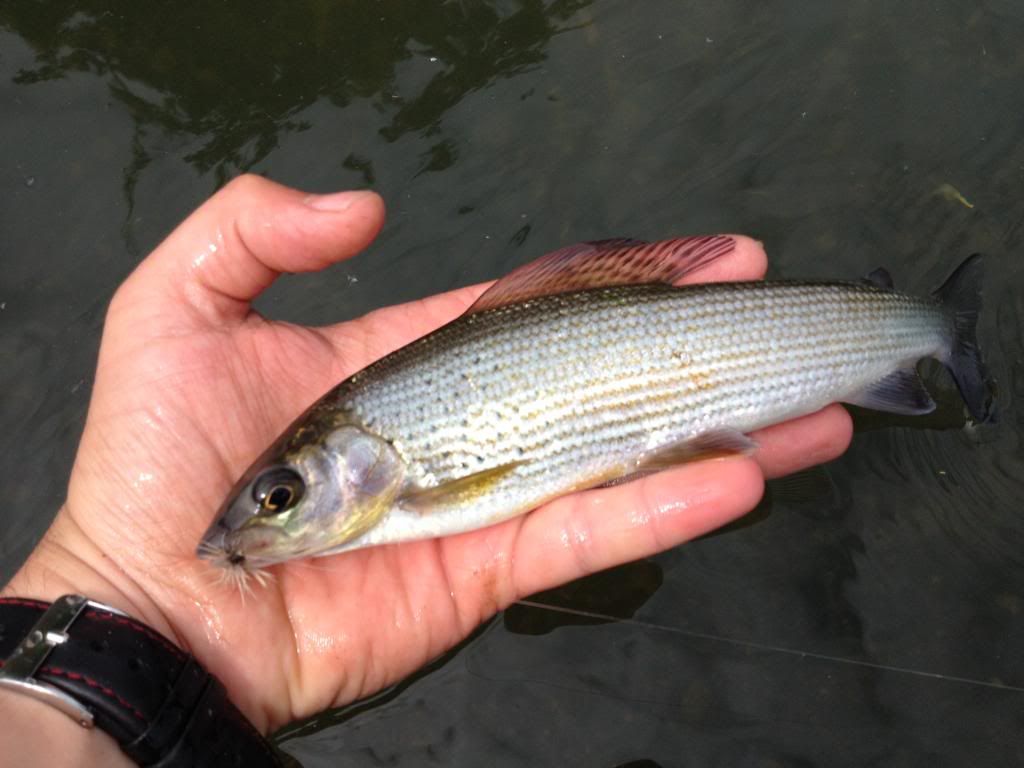
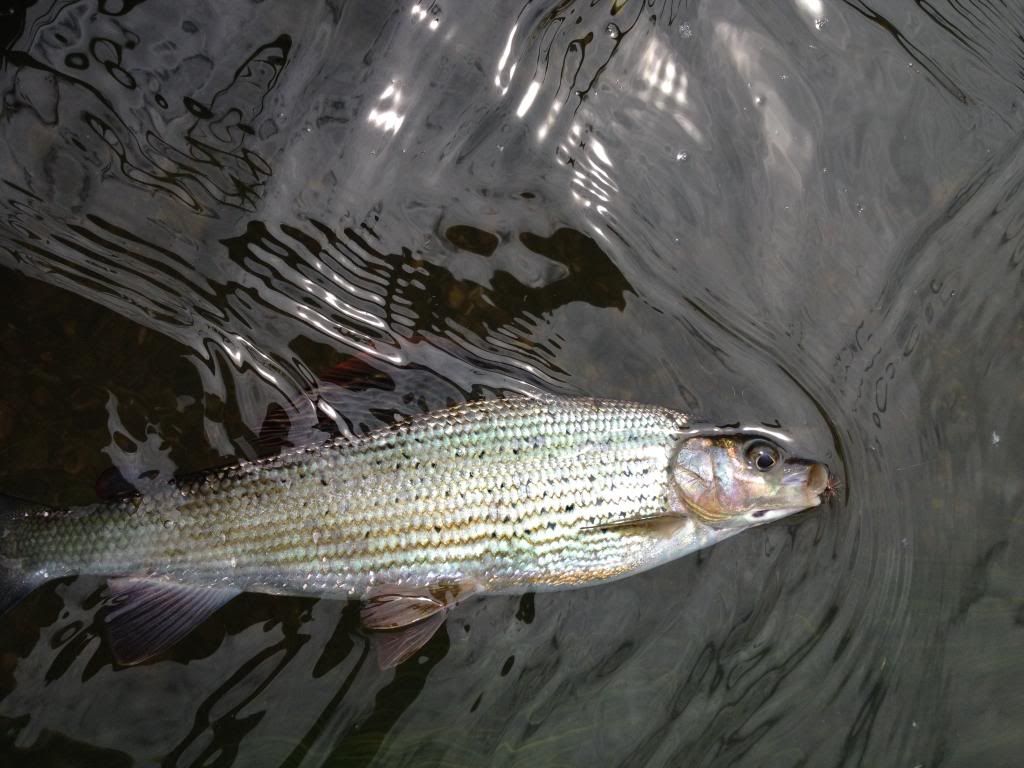
I moved on. This brought me to the bottom of a pool that held a fair depth, but lacked much flow except for at the head of it. Working up the pool with a DHE, it wasn't until I reached the faster water that I caught a small sized grayling.


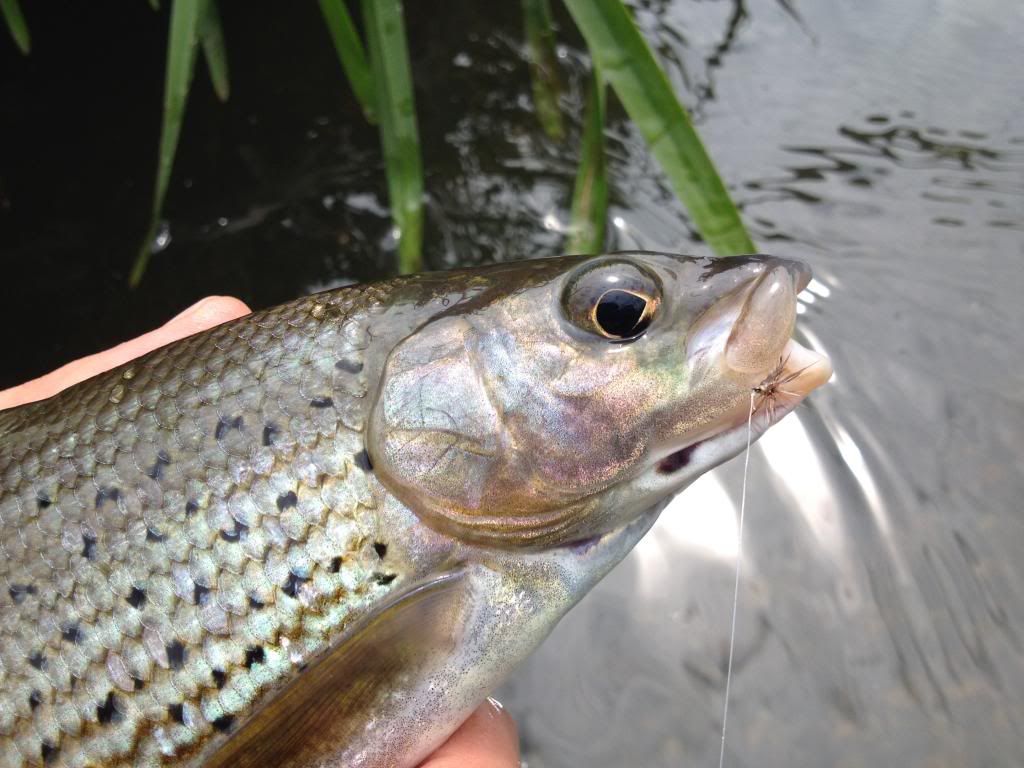
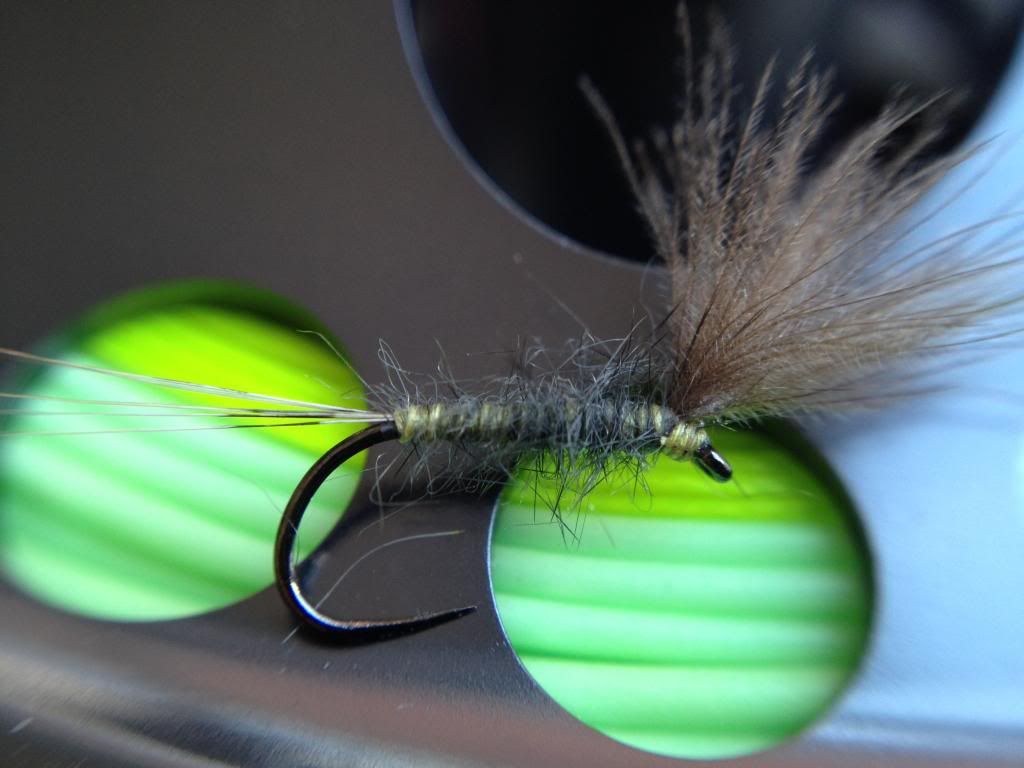
Upstream, ahead of the pool, was a fantastic smooth glide; half a dozen or so rising fish finally gave me some targets. Scanning the river surface as it flowed past I couldn't see anything trapped in the surface that could be tempting the fish up. With this in mind I kept the DHE on for it's generic food impression. I caught two more grayling - one of which took a size 18 adams paraloop emerger - a trout and lost a fish too.

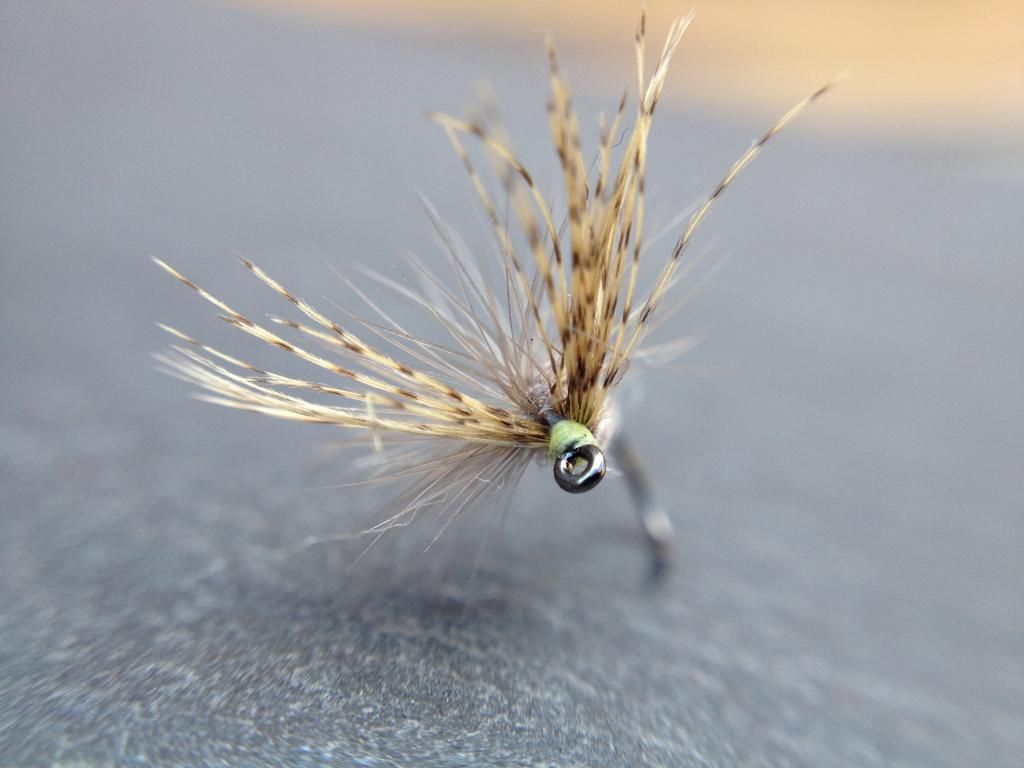
Adams paraloop emerger


Another smooth but slower glide produced another trout after a rise revealed its location.

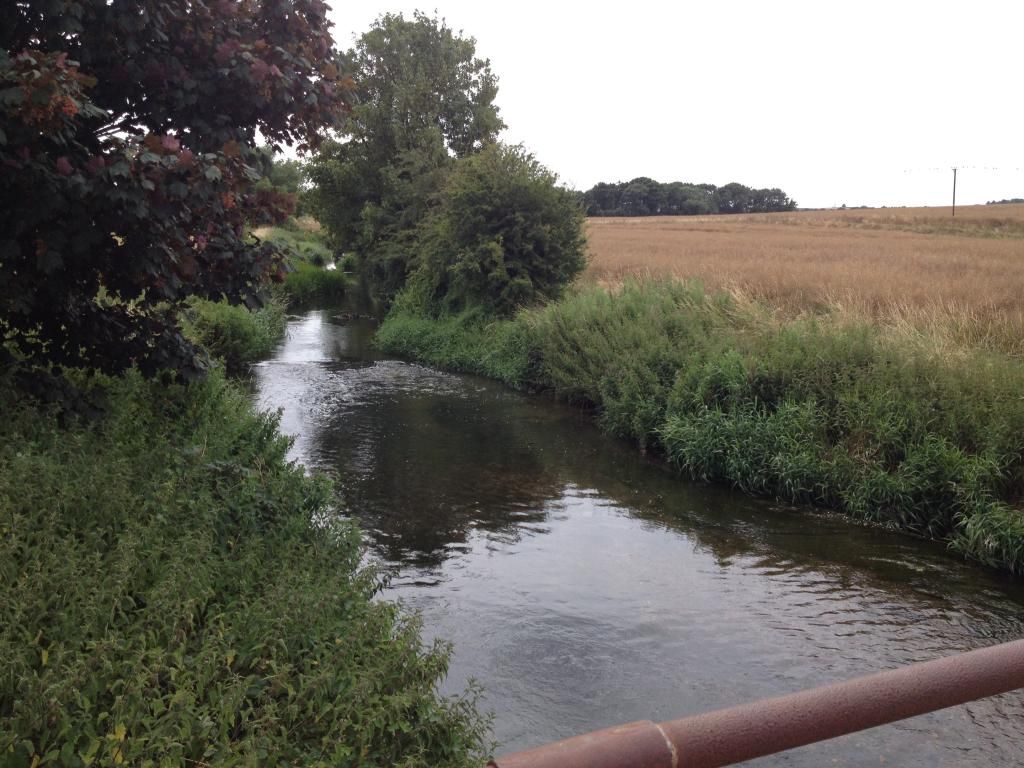
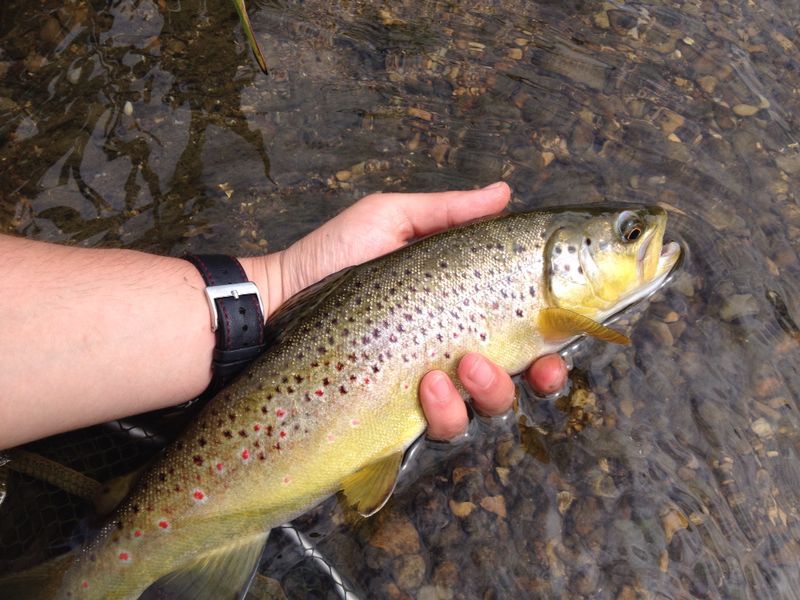
I made my further upstream, this was all new water for me, I was exploring as much as fishing. I found a cracking pool that had been created using some log jams and probably a little excavation. I could see from the high bank the pool had a good number of fish in it. Creeping in down stream, I set up as I had previously broken down my tackle. This pool proved tricky to fish, the tail quickly shallowed and using the duo method it took several attempts to get a decent drift. A couple of missed chances, including a rise at the klinkhamer frustrated me. As I begun casting at the top of the pool I hooked a substantial fish, a fantastic wild fish of around 13".


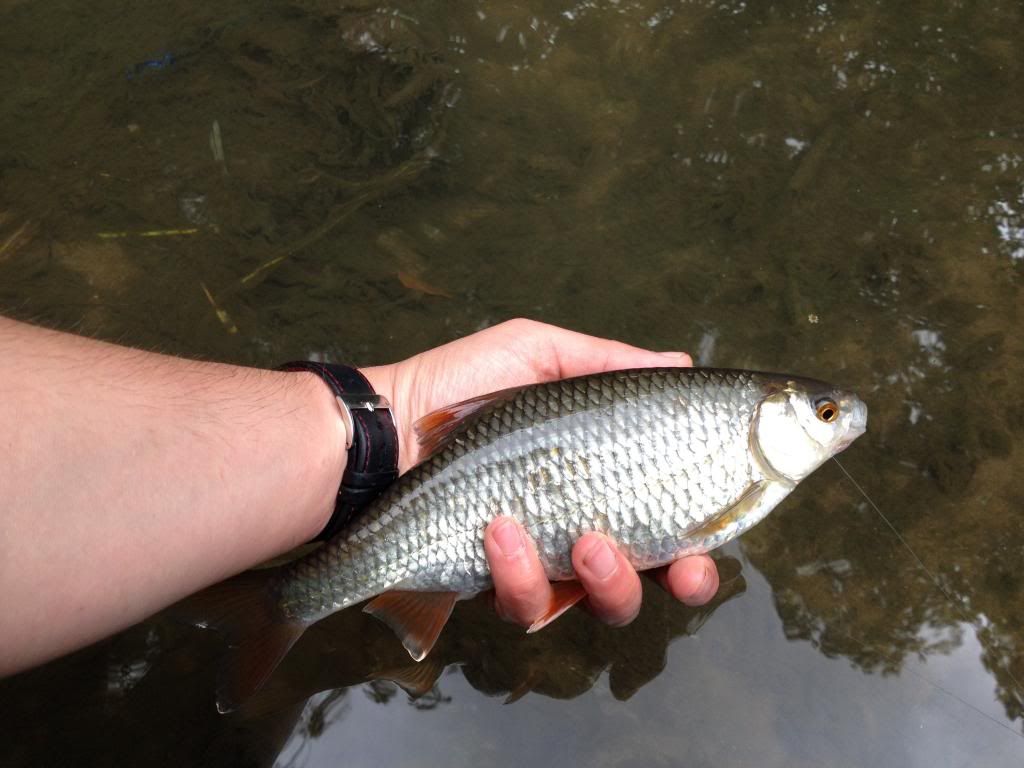
I explored a little more and found a dismantled weir. I landed a dace and a trout and lost another fantastic fish which shot downstream after I had played it for a minute or two; holding on too hard hoping to turn the fish resulted in a snapped tippet, I finished there feeling pretty cross with myself for allowing that to happen.

As I walked back to the car I was more than happy with the day. I was pleased I had explored more of the river and I'll certainly be having another look at this section.

Dyed mallard flank

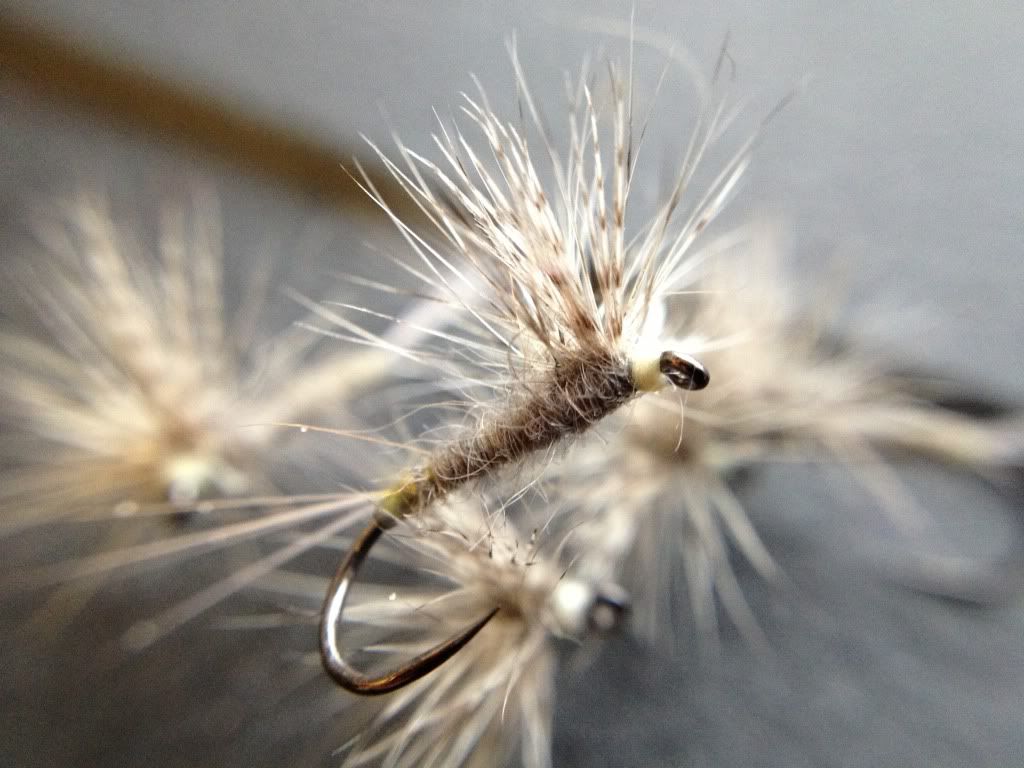
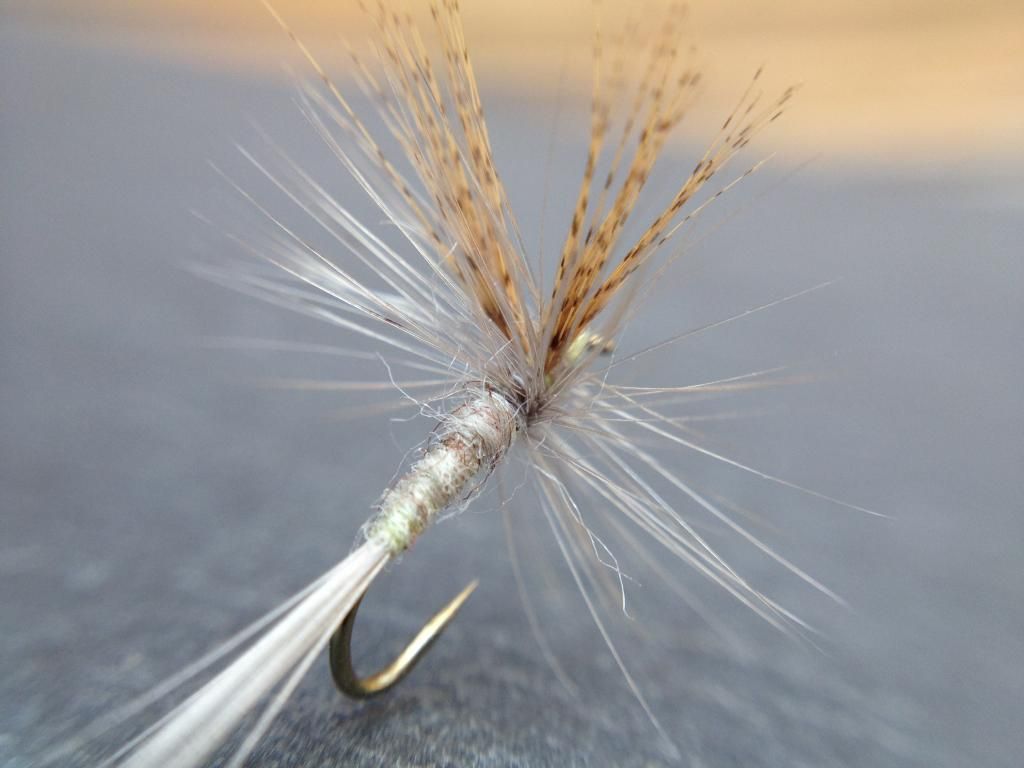
The Phd tied with the original natural mallard wing

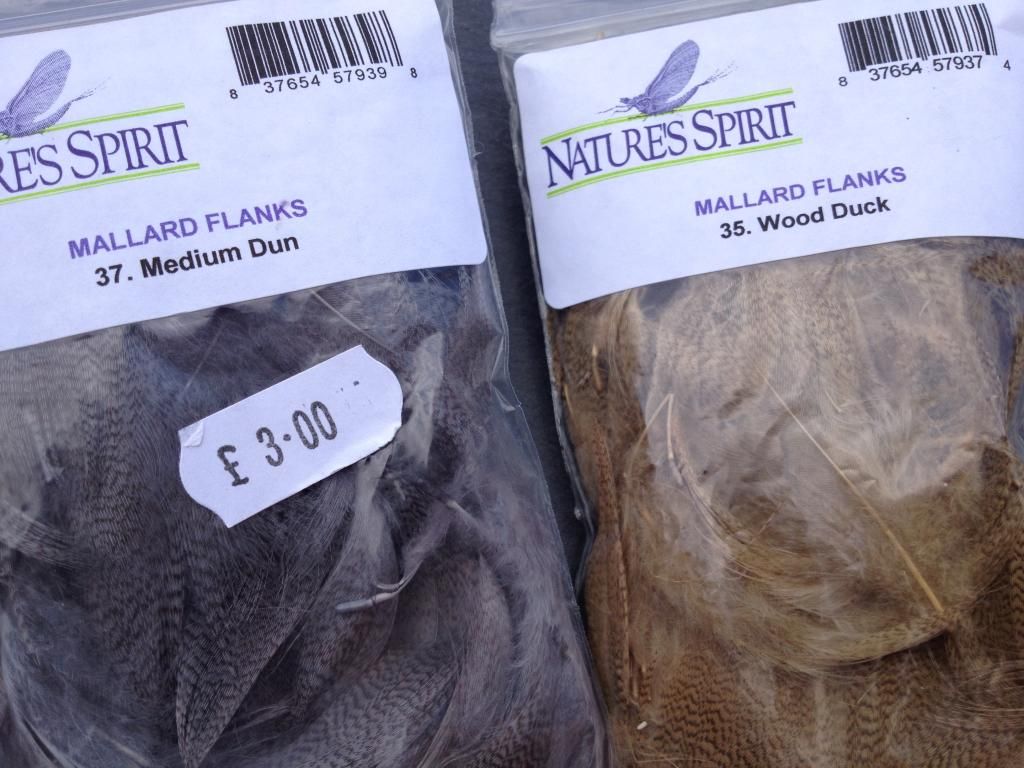
In the past, when I have been tying Phd's, Barbour paraduns or any other patterns requiring mallard flank, I have used marker pens to colour where necessary. Normally I have only used various shades of grey depending on how dark I wanted the wing. Results were mixed, the flank took the colour well enough but I didn't feel it would last. An alternative is of course commercially dyed feathers.


Being a fan of Nature's Spirit products, it was inevitable I would end up trying some of their dyed mallard flank. Medium dun and summer duck are the colours I have used so far, the results are good. A wing made of the medium dun makes a fly look darker overall compared to natural mallard. The summer duck substitute is quite good, not as subtly coloured as the natural carolina wood duck flank, but certainly acceptable.

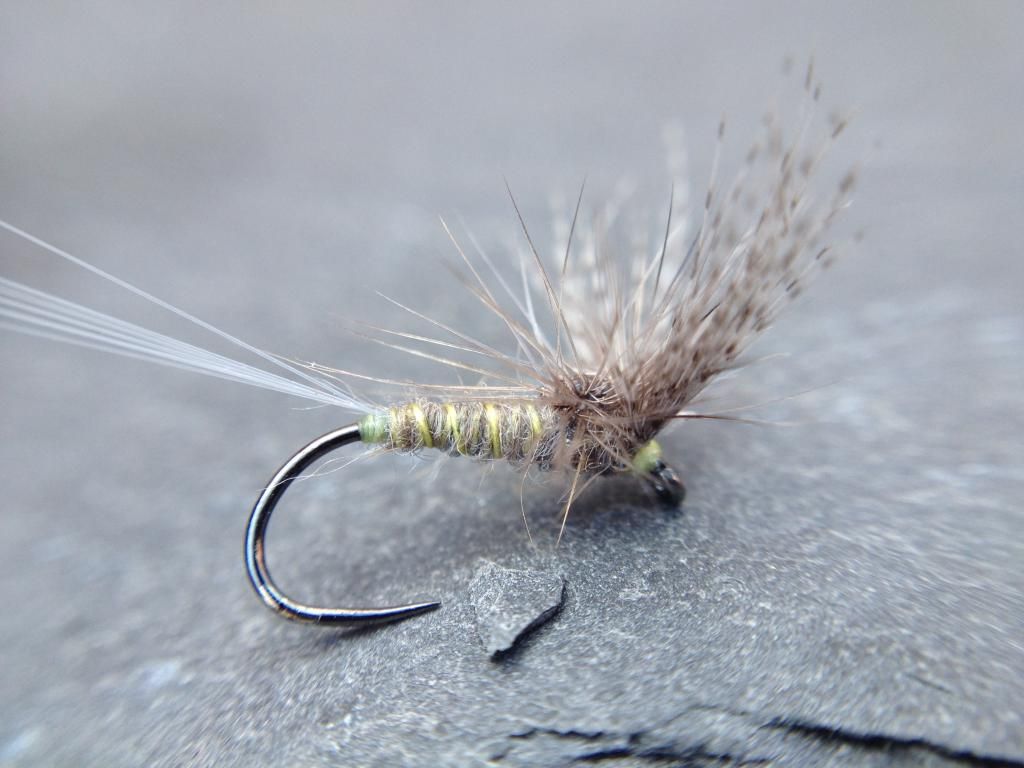
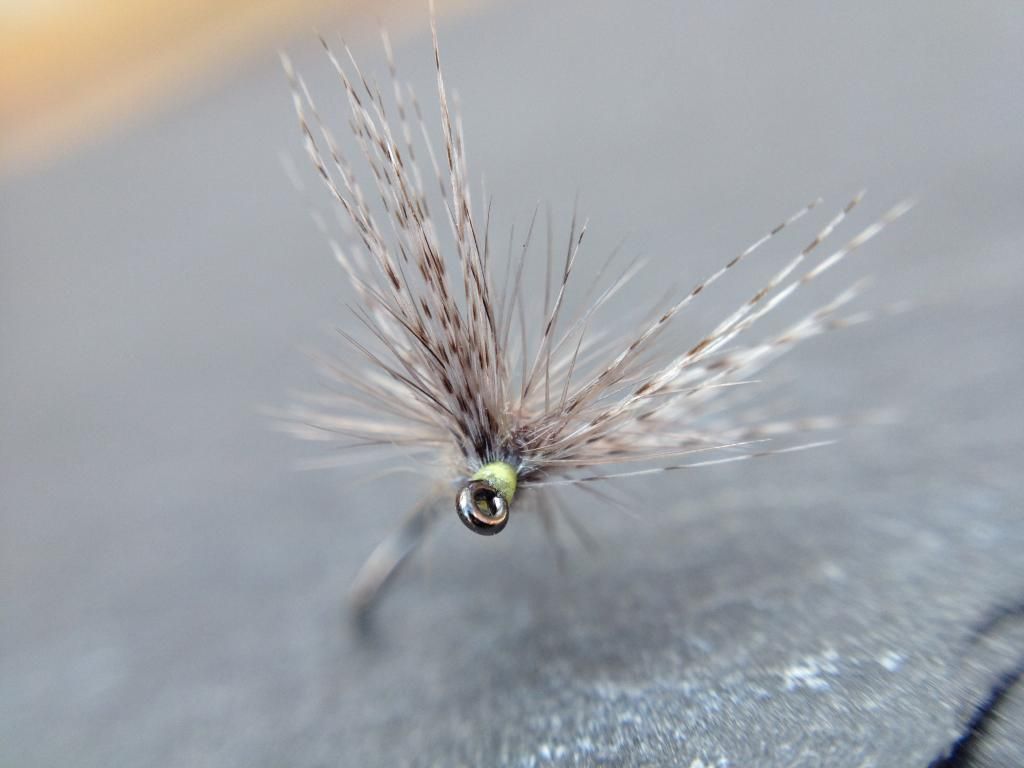
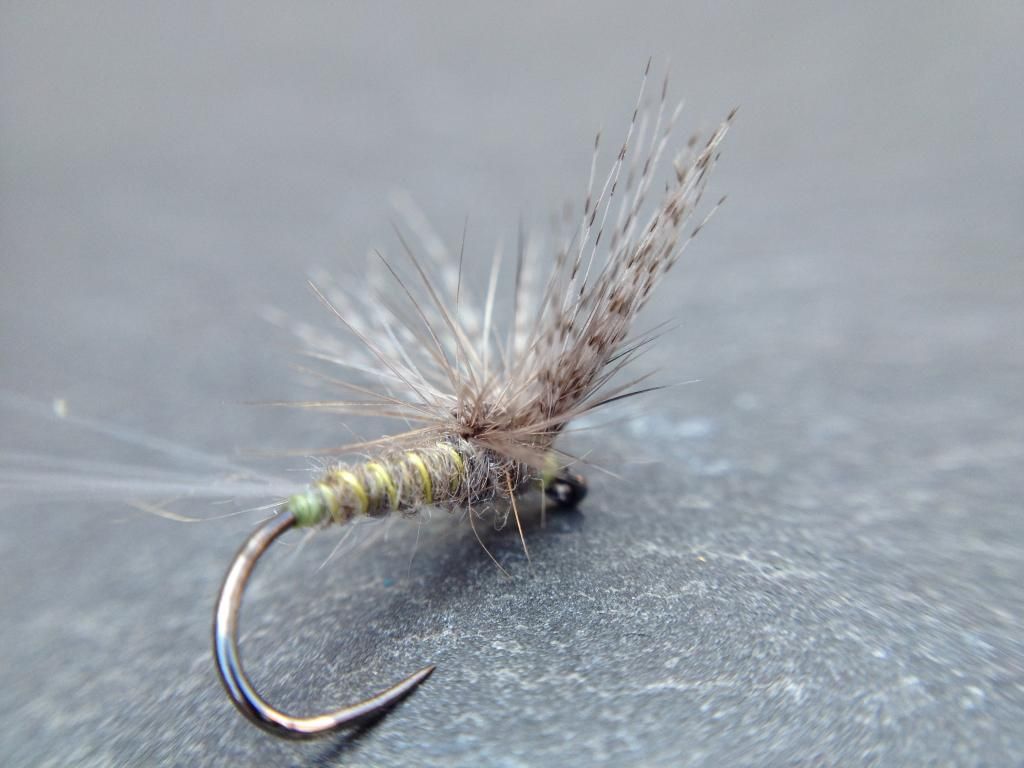
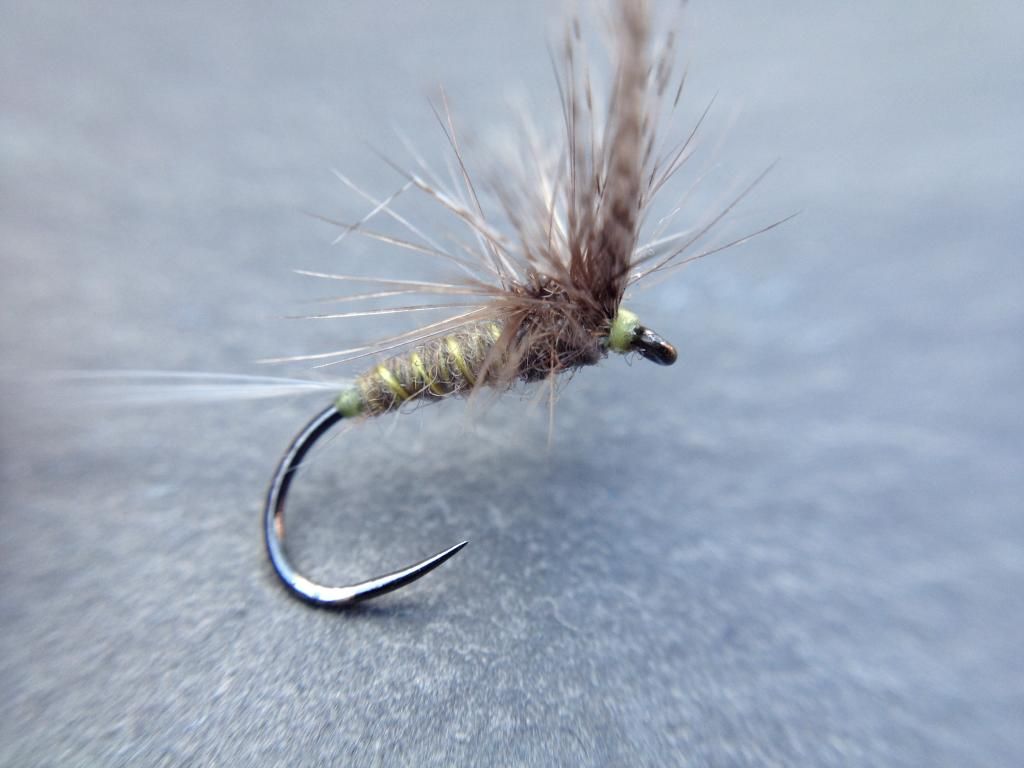
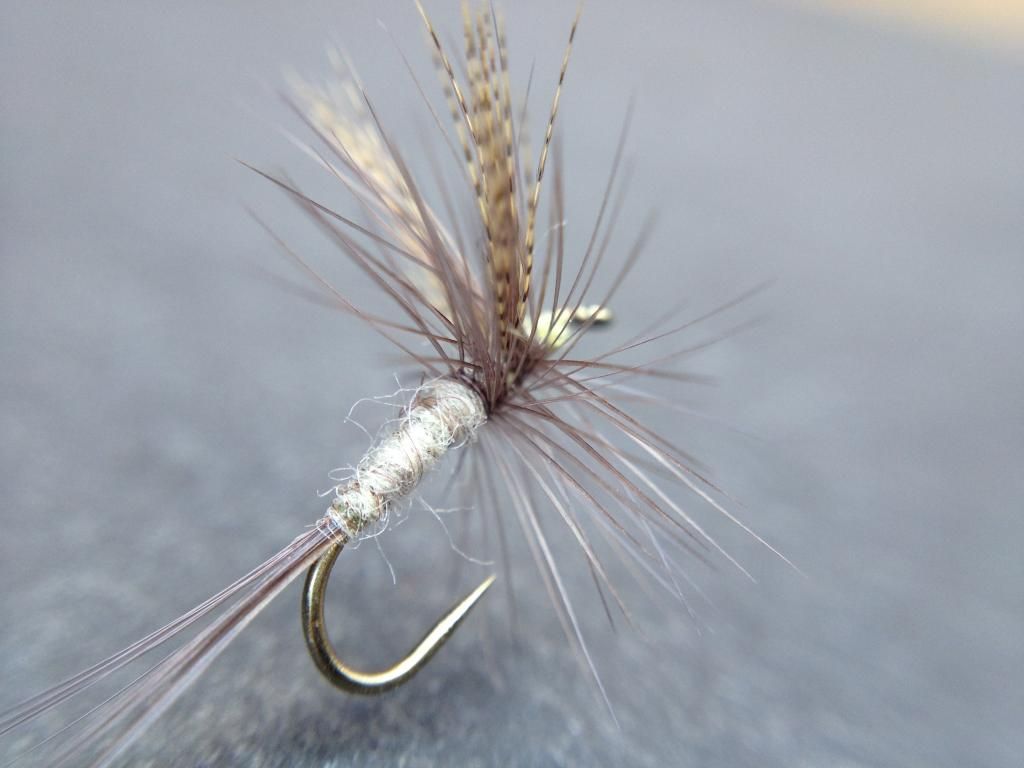
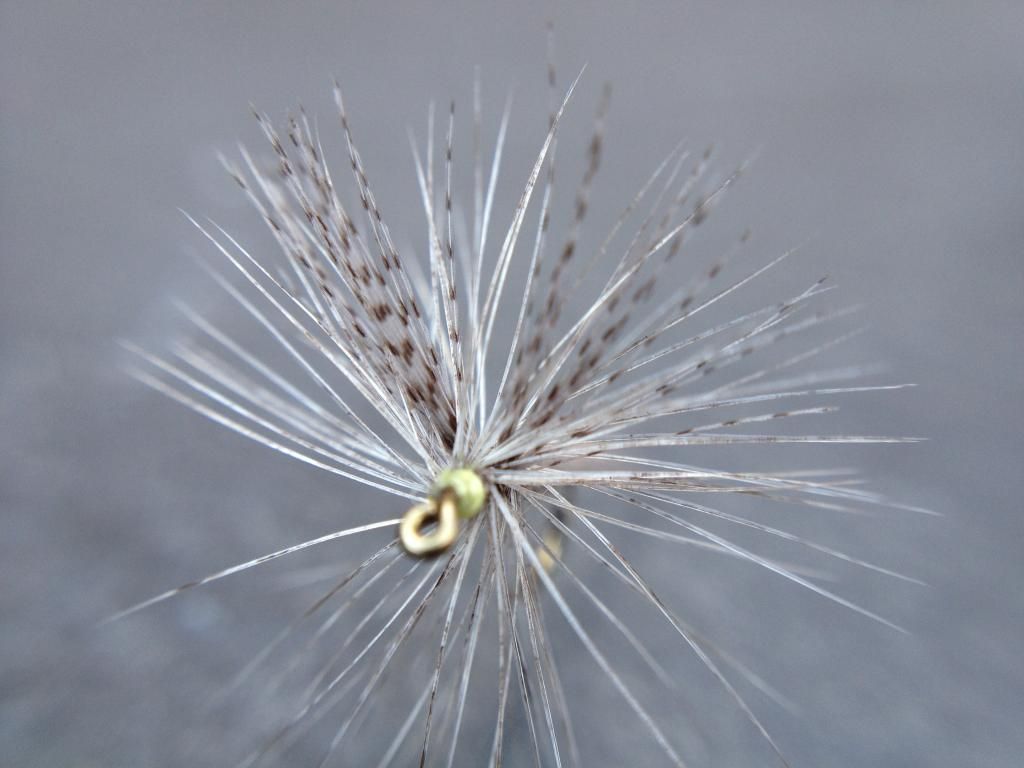
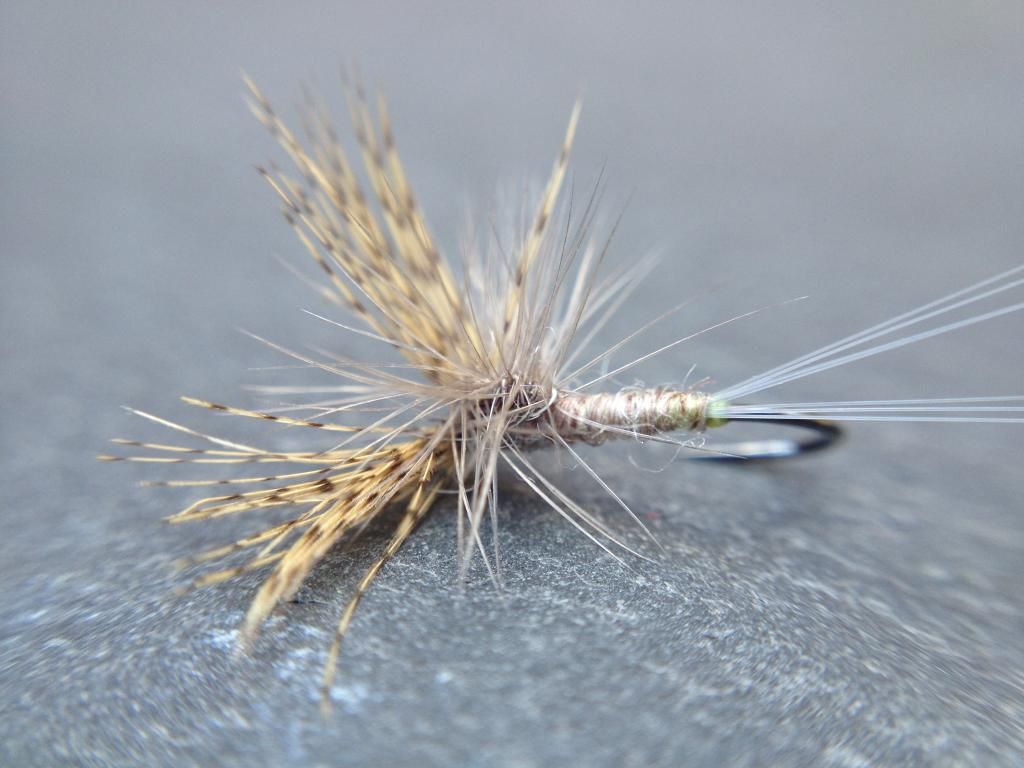
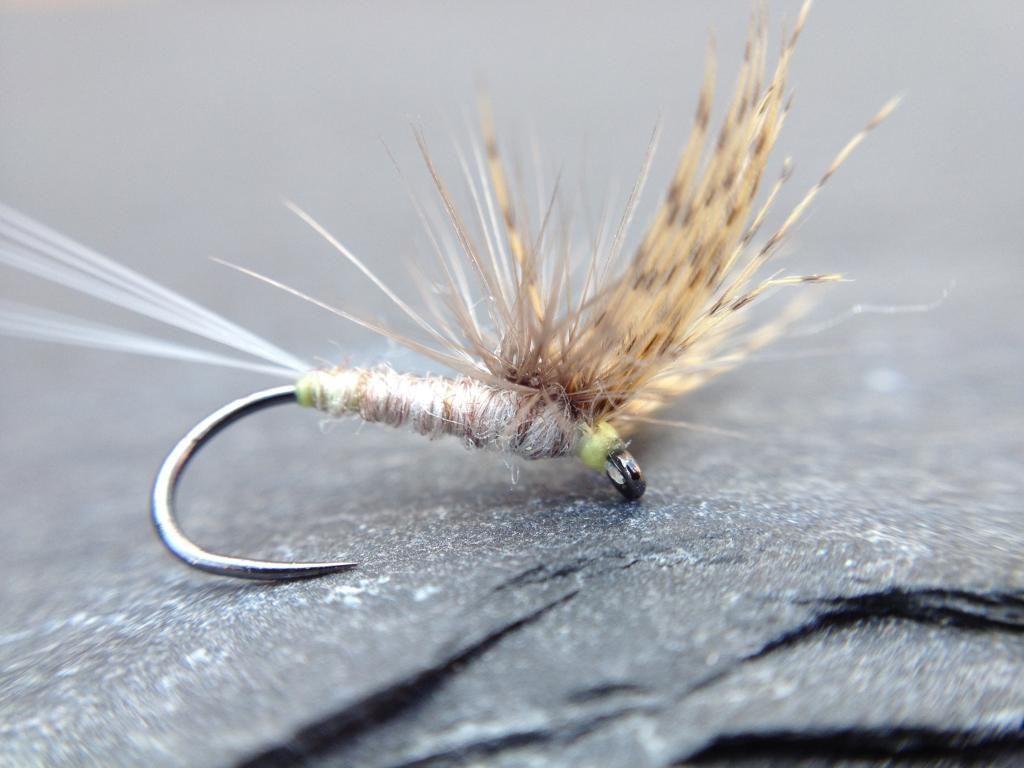
I have tied up a Phd.

The dyed mallard flank really adds to this fly, in my eyes anyway


Some Catskill style dry-flies. Summer duck is well used in the States on the Catskills pattern, the Hendrickson is one of the best known.

The summer duck sub is a deep rich colour
A hendrickson with a medium grey dun hackle, tied short at the eye in the tradition Catskill style
This is tied with a dark dun hackle

A generic blue dun with medium dyed mallard flank, muskrat body and medium dun hackle

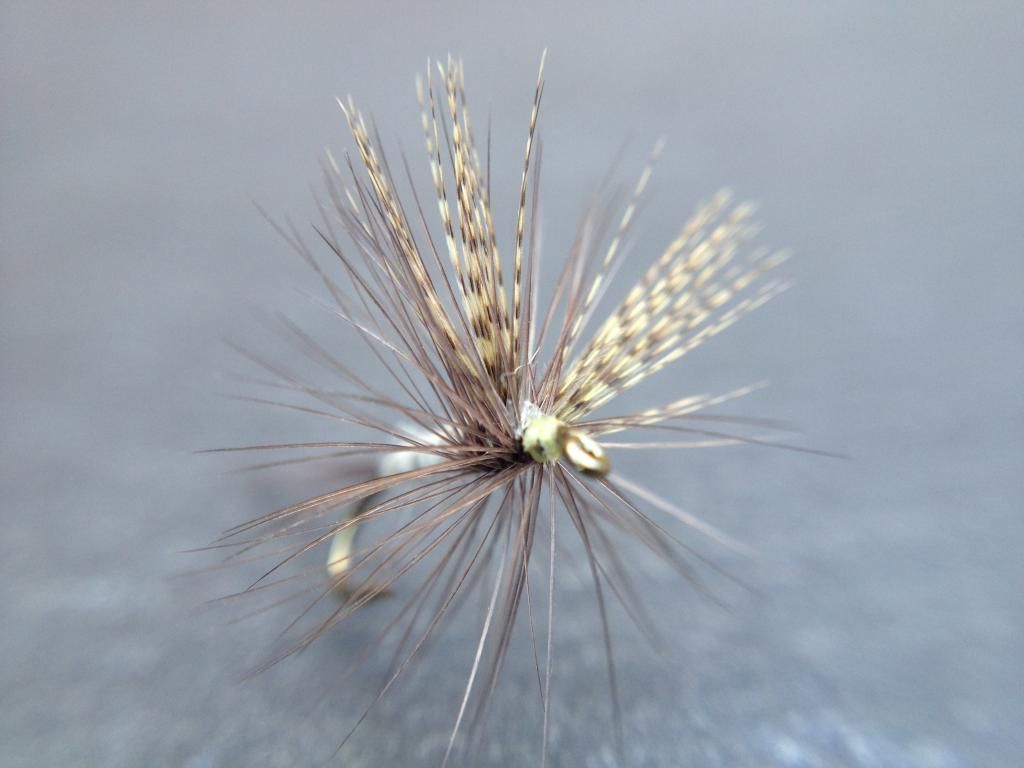
Just for fun I have also tied up a Phd in the Hendrickson colours.


This is a colour combo for the Phd that I like

You can find Nature's Spirit dyed mallard flank at Funky Fly Tying here.

Sunday, 29 June 2014

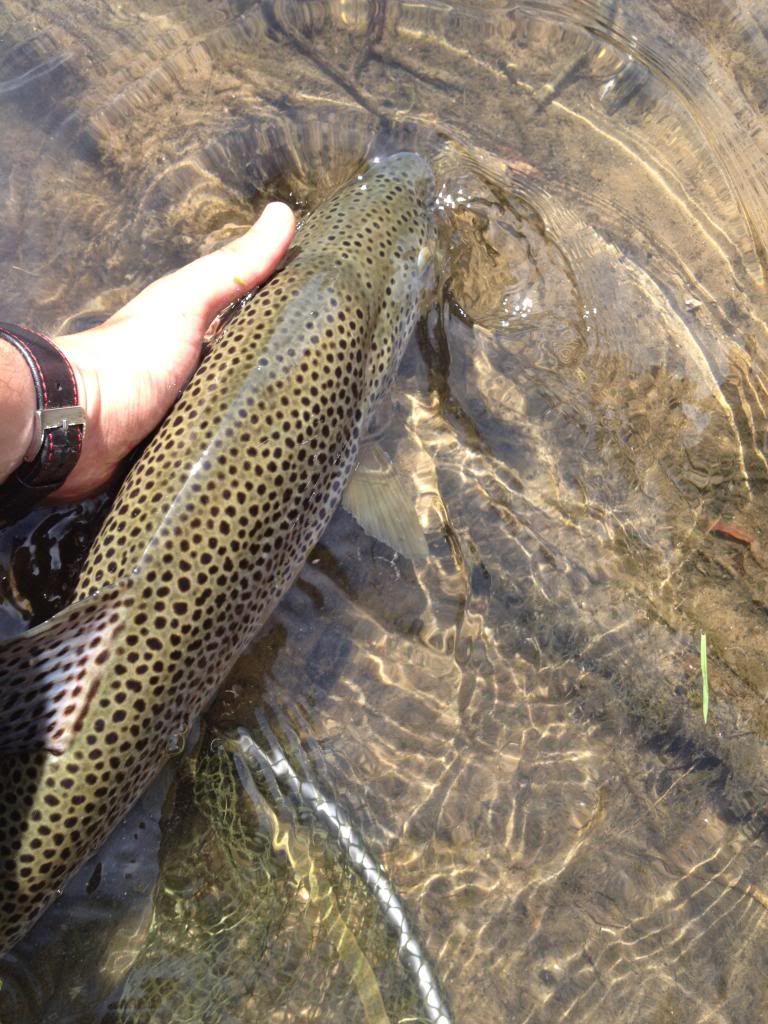
A fish of a lifetime

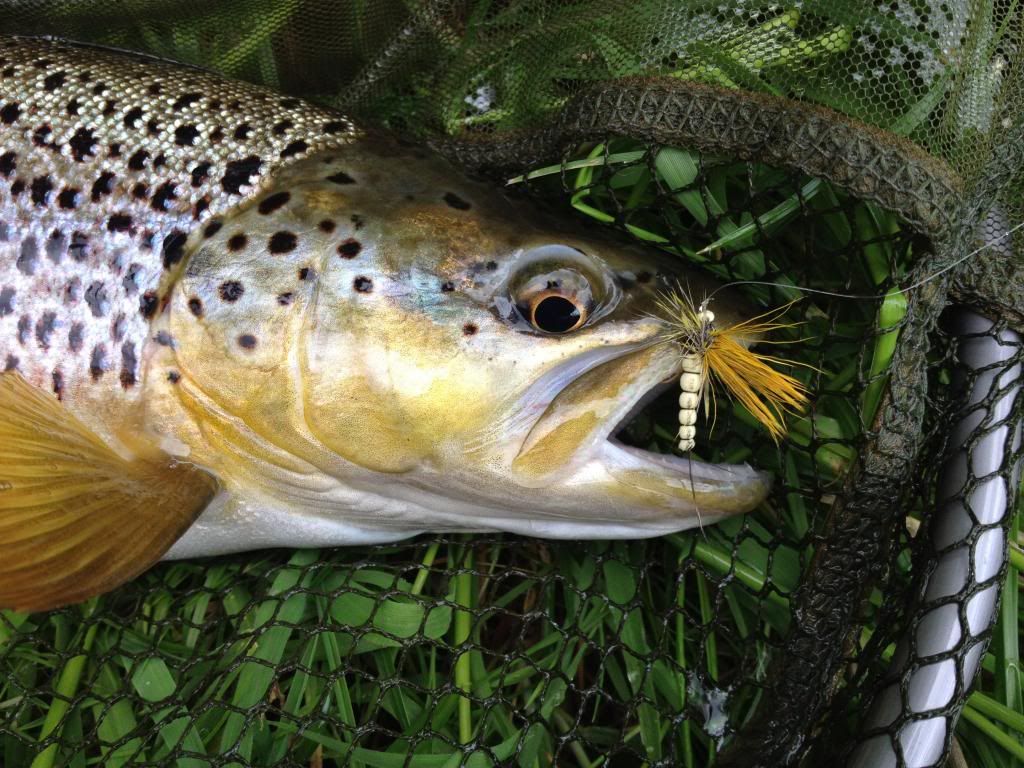
Last year I revealed I had a new found love for Sawyer's killer bug after catching my biggest wild brown trout on one. The post can be read here.

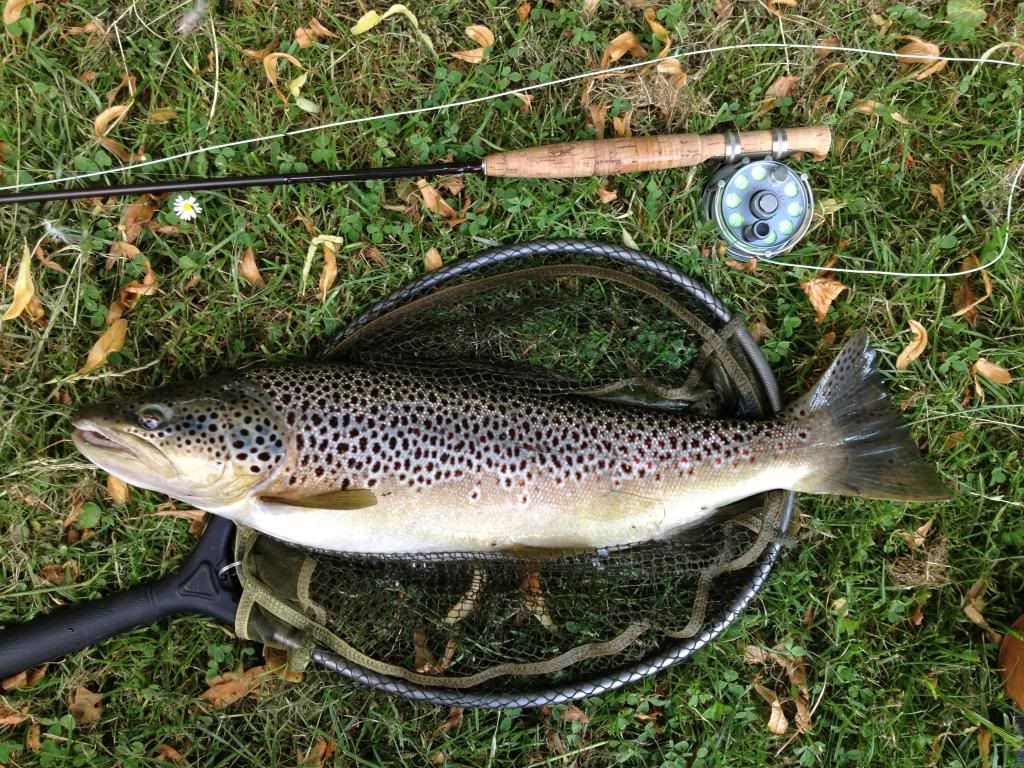
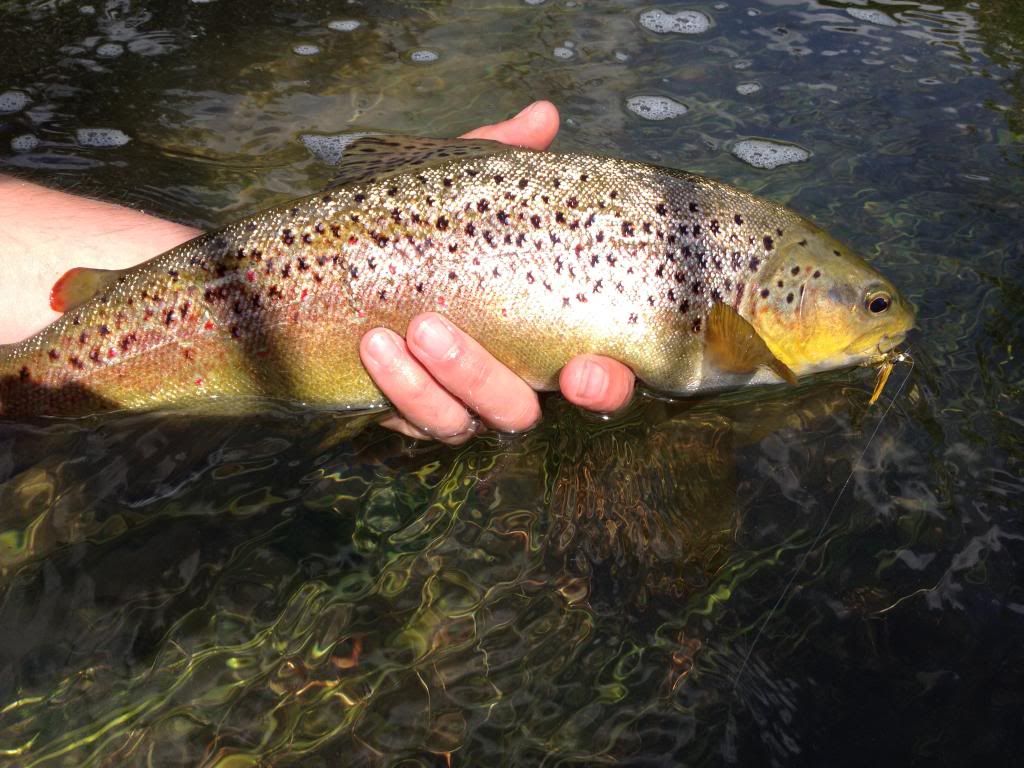
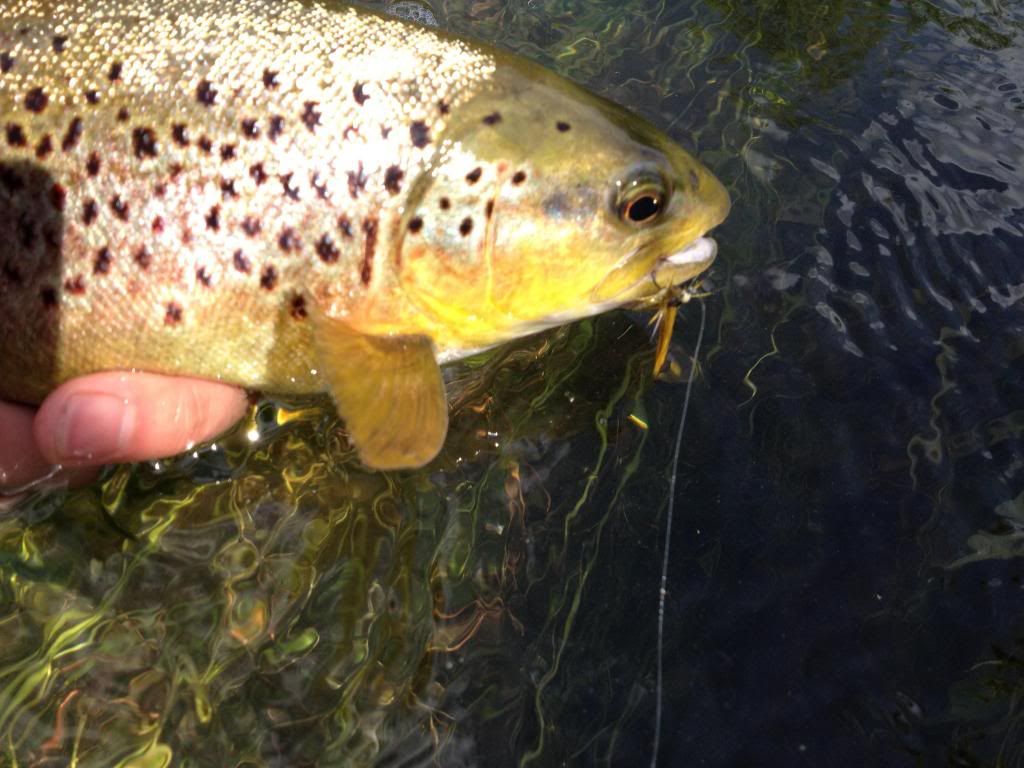
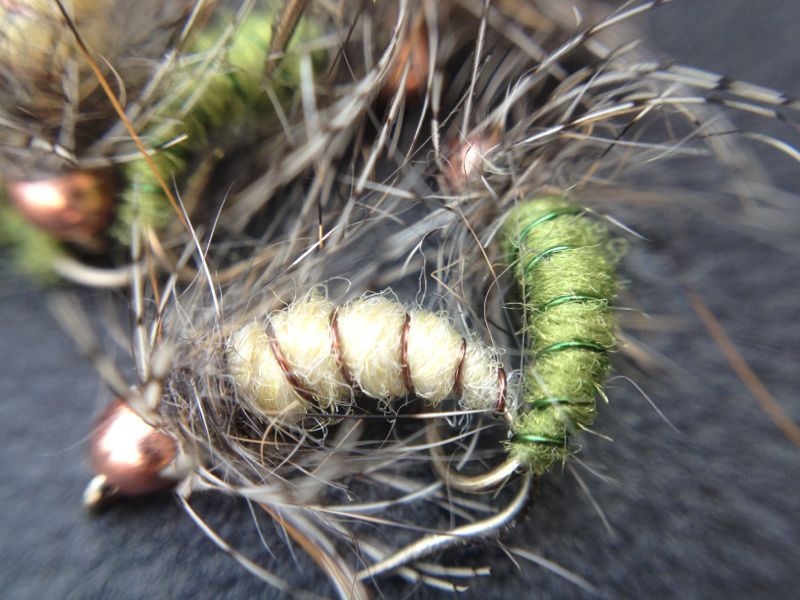
With the coarse season under way, the usual assortment of baits are finding their way into the river. Well on Wednesday using the gold wire-cream chadwicks wool "maggot" version, I caught an even bigger WBT. I collared a couple of lads to take some pics for me.

There was no way just a picture with this trout in my hands or the net be good enough
This picture was taken so I could estimate the size which is around 22-23"
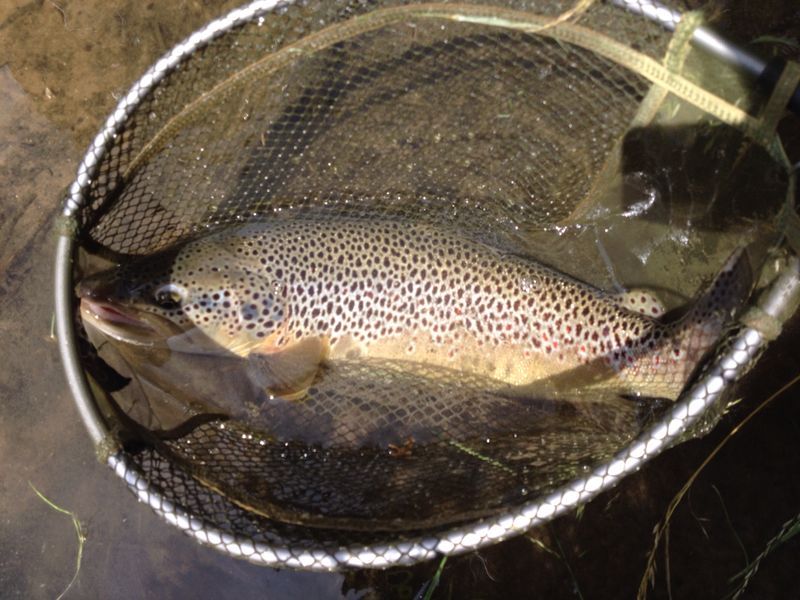
I may need a larger net soon

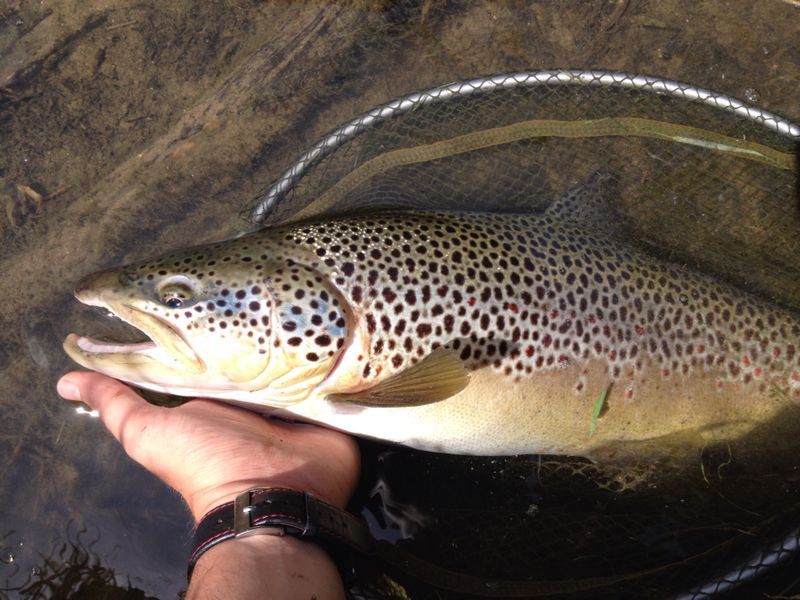
Broad shoulders
Going back
The trout swam off strongly after a powerful fight

Thursday, 26 June 2014

Missed out on the mayfly, but I still had a ball (part two)

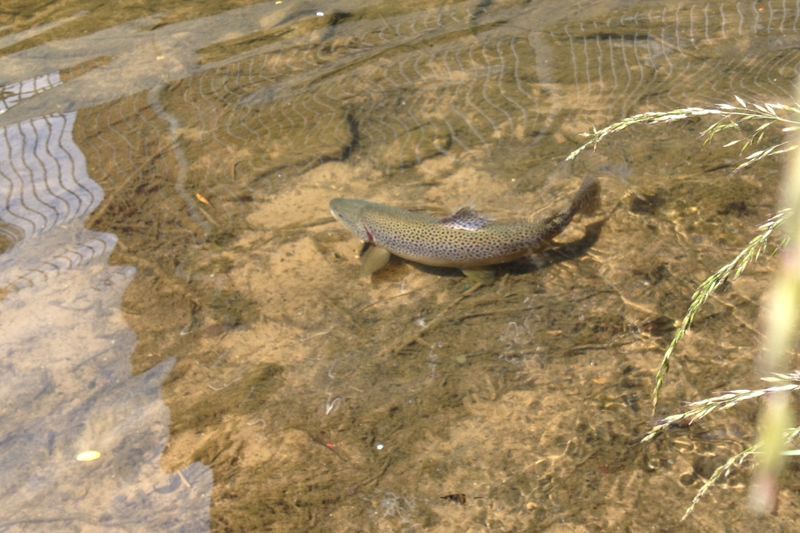
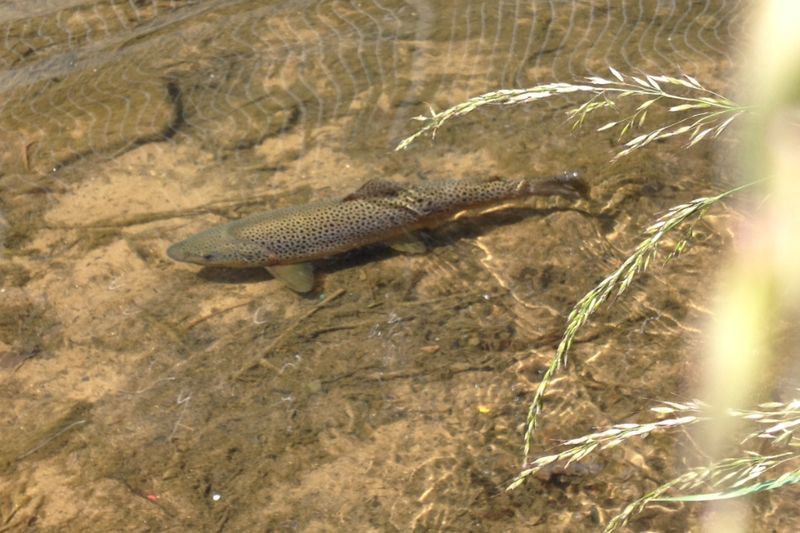
The next day I fished a different river. I actually only fished about seventy-five yards of river, such was the quality of fishing. The main pool I fished was alive with rising fish. Most of the rises were small; the position I was standing in below the pool made it extremely difficult to see what was on the surface drifting past, due to the current speed; the river narrows from a smooth surfaced pool twelve yards across to a deep run only two yards wide. I had seen the odd small upwing hatching but I suspected that wasn't what they were rising to.


I went through a plethora of flies ranging from the minuscule to the humongous - in river fly terms - before finally seducing the first trout.


A size twenty sparsely dubbed JT olive proved to be the winning pattern. At the top of the pool some much larger fish were slashing and jumping, I made my up the pool towards them picking off fish as I went. The water clarity was unreal, all the fish I caught were seen and targeted. I had a ratio of 2:1 of fish caught to those put down. At the top of the pool again I found myself having to trawl through my fly boxes finding patterns that would get a response. A Moser balloon caddis caught one of the larger fish but the biggest of the day came to a Mohican mayfly - despite not seeing one all day - there was a larger fish still, but the commotion diminished all chances of hooking it.


I had forgotten the sun cream that day, by the end of the run I was beat and burnt. I still had another hour before I had to leave as I had to pick my daughter up, I left thoroughly satisfied having cracked the fishing.

Tuesday, 24 June 2014

Missed out on the mayfly, but I still had a ball (part one)

Surprisingly - especially to myself - I only managed one short afternoon session during the mayfly hatch. A bad set of shifts one week and a set of nights the following, saw me pretty much missing out on the best of the action; stark contrast to last year, where I had a few good sessions and one absolutely amazing afternoon, where I had a dozen trout, none smaller than a pound and a quarter.

The afternoon I had was cut short by a vicious thunder storm; although I did catch a handful of fish, including a rainbow that I caught twice in the space of an hour barely twenty-five yards apart.

One of only about half a dozen trout caught on a dry mayfly this year
By the time my rest-week after my nights came in the second week of June the hatch was almost over; those few mayfly that did hatch were largely ignored. Three solid days of fishing gave me opportunity not only to try new areas, but also to try new methods and a chance to have some company.

The first days fishing arrived and I had a plan. A newly acquired Hends Camou leader was rigged up onto a full spool of backing on my new Ari'T Hart reel; that's right, a spool just for a French leader. The new reel had a couple of immediate benefits, the spare spool being a major one, but also the extra weight the Ari had over my Lamson made holding a 10ft rod on a stretched arm much more comfortable.

I decided to fish the urban stretch of the river; this was because I had a forum member coming to join me at lunchtime to fish with me in the afternoon. I walked down to what would be considered the bottom of the urban stretch. A reasonable sized weir was my starting point, it is open and had the necessary flow I felt needed in the given conditions. I have caught fish here before, nothing substantial or a great number, but certainly worth a try.

With it being my first time fishing with a French leader I opted to use flies that held a bit of weight. Having fished a few times with the leader I now have no doubt that small, light flies can be cast, but at that time I wanted to be certain the leader would turn over. Of course fly choice was simple, what else but a couple of size 12, cream bodied JP pupa with 2mm copper tungsten beads.

JP caddis pupa, size 12 with a 2mm copper tungsten bead with a cream body,
by far my most successful fly at the moment
It took a little while to get used to casting without a fly-line. Slowly I fished up the flow heading towards the white-water. After five minutes or so I caught a smallish trout of around 8", it wasn't until I started getting to the faster flow close to the weir sill that I caught a much bigger fish. This trout fought really hard, much harder than its size would suggest; once netted the fish measured just over 13".No more fish came from that weir, which is fairly typical from previous experience.


Working my way upstream I tried a small run under some trees, I fished this by casting above the trees and letting the flies run underneath. I caught a roach and grayling before moving on.


Finally I reached the pool I wanted to fish. I fished this pool in April using the duo method and caught a surprising number of fish of all sizes. This time it was much the, I caught quickly and up the full length of the pool. The fish ranged from 4" to 14", it was great to see such a wide size range of trout showing there is reasonable recruitment of fish.

Plenty of these smaller fish showing reasonable recruitment

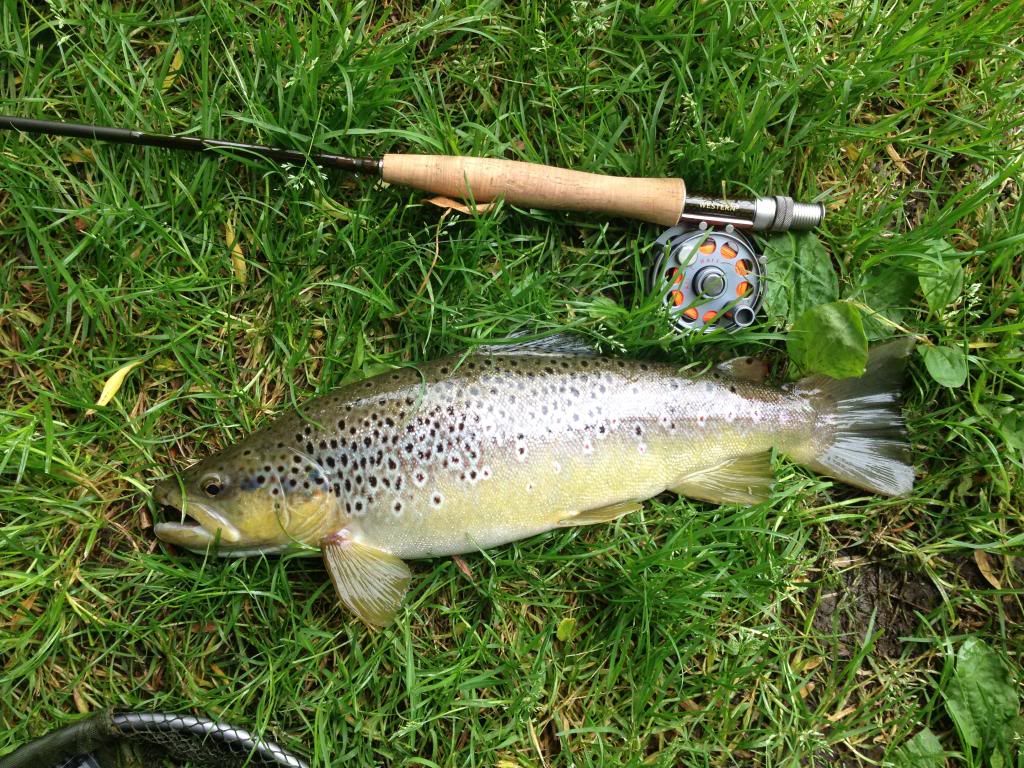
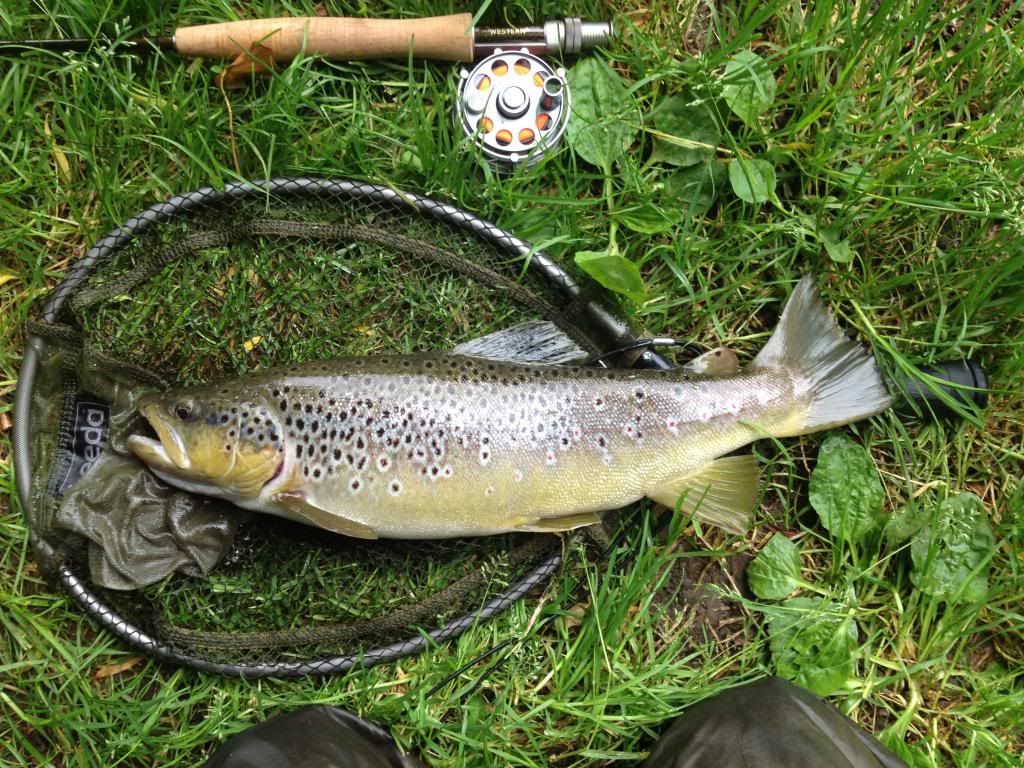
I reached the top of the pool which starts as a low weir and concentrated in the main flow of current down the left-hand side. It wasn't long before I hooked something solid, I knew instantly this fish was special; it stayed deep and in the fast water. It soon tore down the pool and back again, it took a long time to get the fish in, it was immensely strong; on one powerful run the fish swam up the weir into the next run above. Eventually I got the fish in the net which it filled fully. As I wanted to get a good picture of this fish, I took it up onto a grassy bank, it measured just over 18" but was a very plump, certainly over three pounds. I nursed the fish back, having fought so hard, it took five minutes before it swam off; I will remember this fish for a long time.

This trout was in perfect condition
I took a picture with the net so I could roughly work out the length

Soon after I met up with Tom Cull who had driven up from Cambridge after an invitation to fish my club water. We drove much further downstream to a beat I hadn't fished yet. Starting downstream of a small weir we worked upstream in shallow water towards the pool. Tom missed a small fish that rose to a mohican mayfly - we were a little optimistic hoping to catch on dry mayflies - once we reached the pool we changed over to the duo. After the fantastic morning I was focused on Tom having a good afternoon, Tom searched the pool and quickly caught a trout of around 8", as the fish was caught low down I was certain another could be caught in the pool despite the small size. Very quickly Tom hooked a much bigger fish, this turned out to be a belting trout of around 16", a stunning fish. After Tom released his second fish I had a go and a quick couple of casts to an area that hadn't been fished saw me land a plump fish of about 10". We moved on after that, it was a great start to the afternoon.

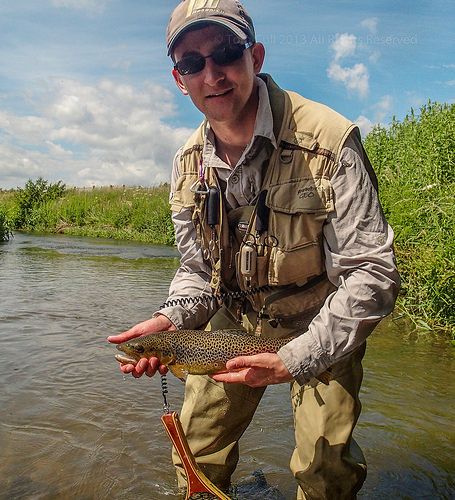
Tom's belting trout
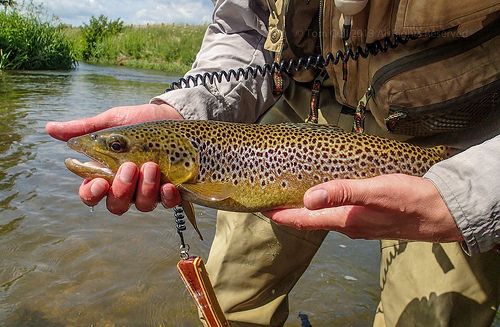
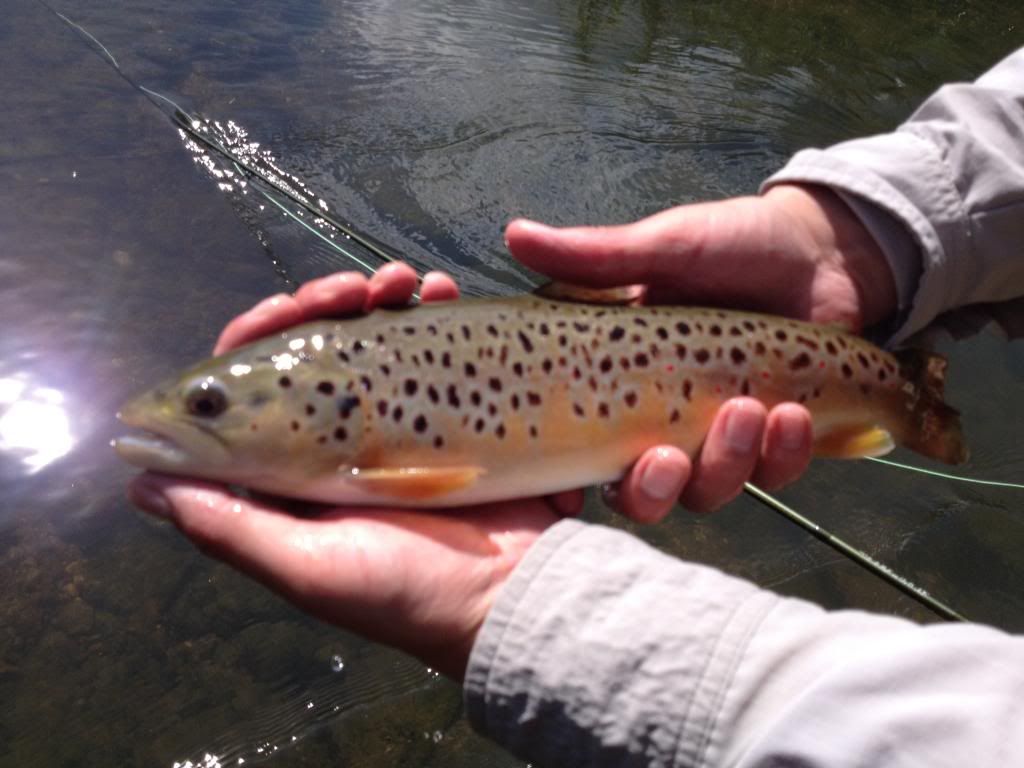
A close up, an absolutely gorgeous trout
My little'un from the same pool
We continued up the beat fishing several nice pools and runs using the duo. Most fish came to the nymph but as the afternoon drew into the evening the surface activity increased. One of the deeper pools had two fish sipping something small; there were a few mayfly spinners around but not many ended up on the surface. After what seemed like a life time, with two fly changes and four missed takes I finally landed one of the sipping trout on one of Tom's spent mayflies.

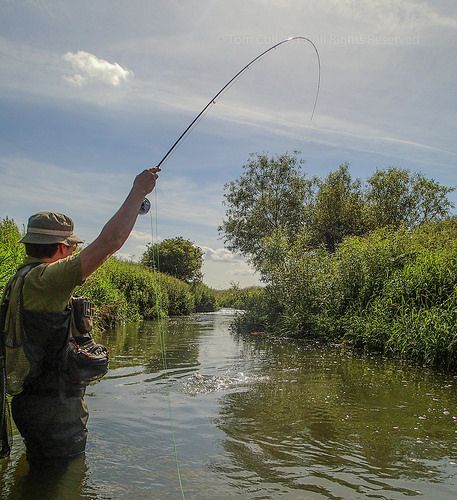
My Daiwa hooped round on a good fish
Further up and later into the evening we found ourselves dispensing with the duo and just fishing dries. A small pod of fish could be seen slashing and jumping at emerging caddis in a narrow run. Both Tom and I caught fish from this area. By eight o'clock we called it a day, I had been fishing since half nine that morning and Tom had had a thoroughly enjoyable afternoon. I found myself pleasantly surprised at the quality of fishing; I think we caught at least 15 fish between us fishing just over a third of mile of river.

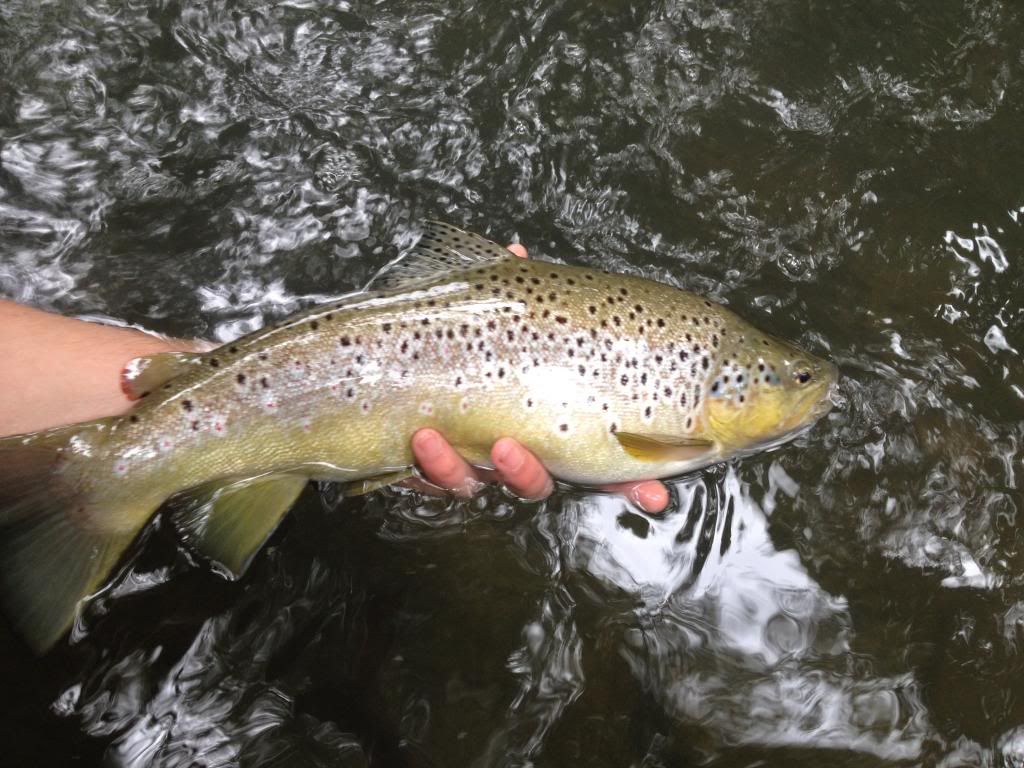
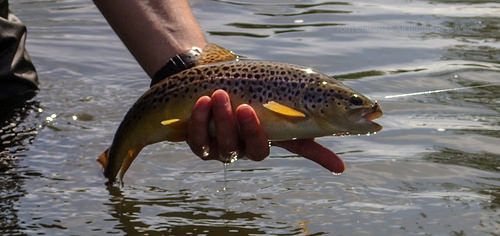
One of the many fish caught, this was the average size